Sometimes the Solution Is Changing Who Is in the Room
At one point, I had eight separate vendor QBRs.
Two contact center technology partners.
Two BPO partners.
Two professional services partners.
One LMS partner.
One Voice of the Customer partner.
Eight different meetings. Which were really 16, because EVERYONE wants a meeting before the meeting.
Eight different presentations.
Eight different conversations about pieces of the same operation, much of which overlapped.
The individual QBRs were not necessarily the problem.
The problem was that our fans did not experience our business in eight separate pieces.
Neither should we.
We were asking partners to help us deliver one experience while managing them as eight separate relationships.
So I changed the approach.
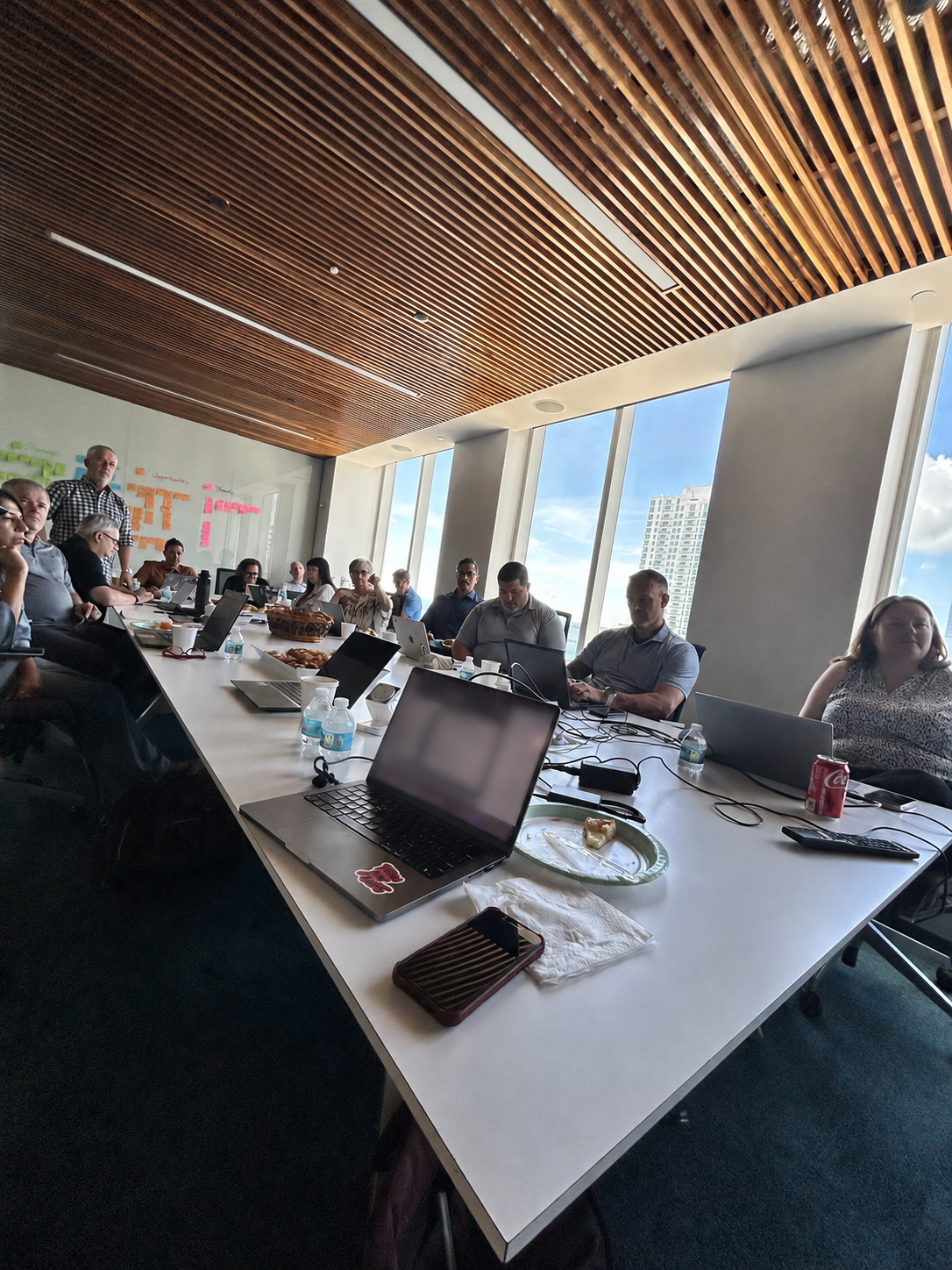
Instead of having every partner come in separately to tell us what was happening within their area, we brought the conversation together.
One business.
One customer experience.
Multiple partners sitting at the same table. In person.
Doing the post mortem together.
Doing the SWOT analysis together.
Actually hearing one another’s perspectives.
TOGETHER.
That created room for a very different kind of conversation.
Where were we seeing the same challenges?
Where was one decision creating an impact somewhere else?
Where were there gaps between teams?
What did one partner know that another partner needed to hear?
Most importantly, what were we collectively trying to solve?
One of the biggest lessons I learned leading complex operations is that sometimes the solution is not another process.
Sometimes the solution is changing who is in the room.
Think With Bri:
When several teams or partners contribute to the same customer experience, how often are they actually solving problems together?